
How to Select bar screen Models & Prices | Transparent Quotation from TNW Co., Ltd
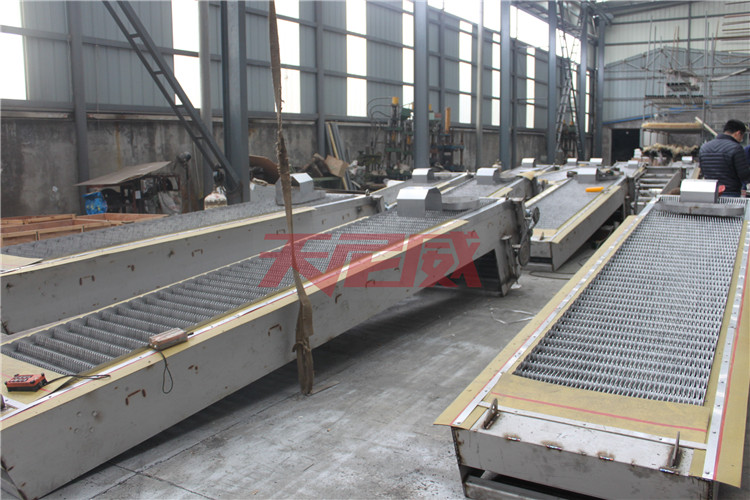
Bar screens serve as the first interception equipment for new municipal pump stations, township sewage stations, food, papermaking and chemical wastewater pretreatment. Many buyers only focus on low prices without matching model specifications, leading to overloaded shutdowns from undersized units or wasted budget on over-equipped machines. As a direct manufacturer, TNW Co., Ltd produces full-series FHG bar screens with open, itemized factory prices free of middleman markups, trusted by engineering contractors and wastewater operation teams.
1. Complete FHG Bar Screen Model Range for All Working Conditions
Models are defined by channel width, bar gap and installation angle to cover small sites and large municipal pump stations:
Small Standard Models (FHG300–FHG800)
Channel width: 300–800mm; bar gaps: 5/10/15mm; power: 0.75–1.5kW. Ideal for township sewage stations, catering and small slaughterhouse wastewater, intercepting plastic bags, twigs and fine fibers. Compact size suits old channel retrofits without extensive excavation.
Medium General Models (FHG1000–FHG1800)
Best-selling mainstream units, channel width 1000–1800mm; bar gaps:10–30mm; power:1.5–3kW. Applied to county sewage plants, medium printing, dyeing and food factories, river intakes. Thickened widened chains offer strong anti-winding capacity for fluctuating water flow and heavy sundry loads.
Heavy-Duty Large Models (FHG2000–FHG3000)
2000–3000mm wide channels; bar gaps:20–50mm; power:3–5.5kW with reinforced frames. Designed for large municipal pump stations, sand washing plants and industrial park centralized sewage centers, stable under flood peak high flow and bulky floating waste impact.
Custom non-standard sizes available for ultra-shallow/deep channels, special tilt angles, explosion-proof control and heavy anti-corrosion coastal versions.
2. Five Core Factors Determining Bar Screen Price
Identical channel width units can vary greatly in price due to material and configuration differences, fully listed in TNW’s detailed quotations:
Main frame material (biggest price gap)
Painted carbon steel: lowest cost, service life 2–3 years for temporary clean water projects only.
Full 304 stainless steel frame & bars: standard for municipal domestic and food wastewater, 8+ year service life with mild acid-alkali resistance.
316L stainless steel: premium for chemical, electroplating and coastal saltwater with superior anti-rust performance.

Bar gap and rake tooth craftsmanship
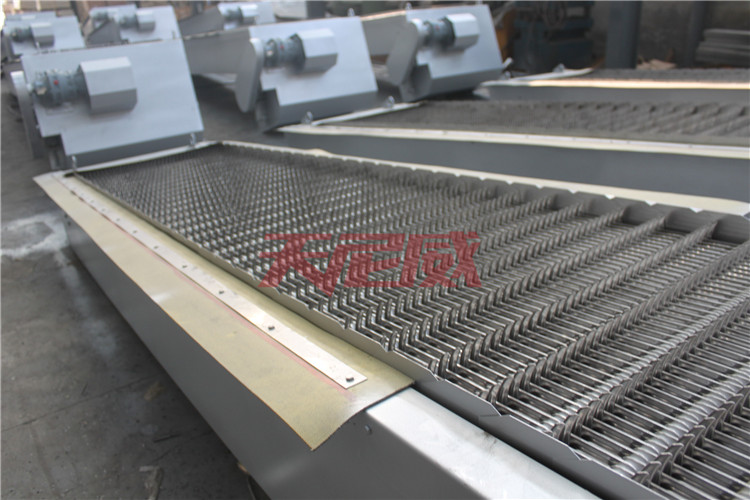
Narrow gaps (5/10mm) require precise machining and cost more than wide gaps (≥20mm). Integrally stamped thick rake teeth resist deformation better than thin welded alternatives.
Transmission and electric control grade
Basic set: ordinary motor + simple manual control. Upgrades include brand reducers, Siemens PLC, liquid-level differential auto-start, overload protection and remote communication modules, each with clear price increments. Explosion-proof motors and outdoor waterproof cabinets are extra for hazardous chemical zones.
Wear-resistant accessories
Low-cost options use cast iron chains, bearings and guides; stainless steel chains, self-lubricating graphite bearings and wear-resistant nylon guides extend service life and cut long-term maintenance frequency despite slightly higher upfront cost.
Support services
Third-party traders often quote bare-machine prices with separate charges for transport, installation and training. TNW’s standard quotes include basic installation guidance and factory warranty with hidden fees eliminated.
3. TNW Factory Pricing Advantage: In-House Production Eliminates Middleman Premiums
Many resellers outsource and rebrand equipment with 20%–40% markups, often cutting materials to slash headline prices. TNW operates full in-house production lines for cutting, welding, machining and assembly:
Bulk raw material procurement lowers component costs;
Direct sales to contractors, end factories and municipal clients without distribution layers;
Fast delivery with stocked standard small/medium models and priority scheduling for urgent projects.
Comparably specified FHG1000 304 stainless steel screens carry lower total all-in cost (tax, basic after-sales included) from TNW than traders’ bare units plus added transport and commissioning fees.
4. Model Selection Tips to Avoid Over-sizing or Overloading
Fine gaps (10/15mm) for domestic sewage with fine suspended solids; medium gaps (20–30mm) for rivers/rain pump stations with weeds and stones; wide gaps (40–50mm) for construction debris and mine wastewater.
Custom deepened frames and extended chains for channels deeper than 3m; shallow standard units risk tooth breakage and jamming.
Select thickened stainless steel transmission for 24/7 high-load operation instead of low-cost carbon steel.
Cost-saving hybrid scheme: carbon steel frame + 304 stainless steel bars/rake teeth for non-corrosive water, available via TNW customization.
5. Clear After-Sales Terms Stated in Quotation Contracts
12-month warranty for core transmission, motor and control parts;
Full assembly drawings, operation manuals and wear parts list delivered with each unit;
Nationwide technician on-site installation, commissioning and operator training;
Lifetime supply of genuine replacement parts at factory cost.
Conclusion
Bar screen procurement prioritizes properly matched models first, then itemized material and configuration pricing — pure price comparison is misleading. TNW Co., Ltd supplies complete FHG bar screen series with transparent factory rates and flexible customization. Submit basic parameters (channel width, water depth, water quality, daily flow) for fast model matching and formal detailed quotations.